Perry Beasley-Hall, PhD
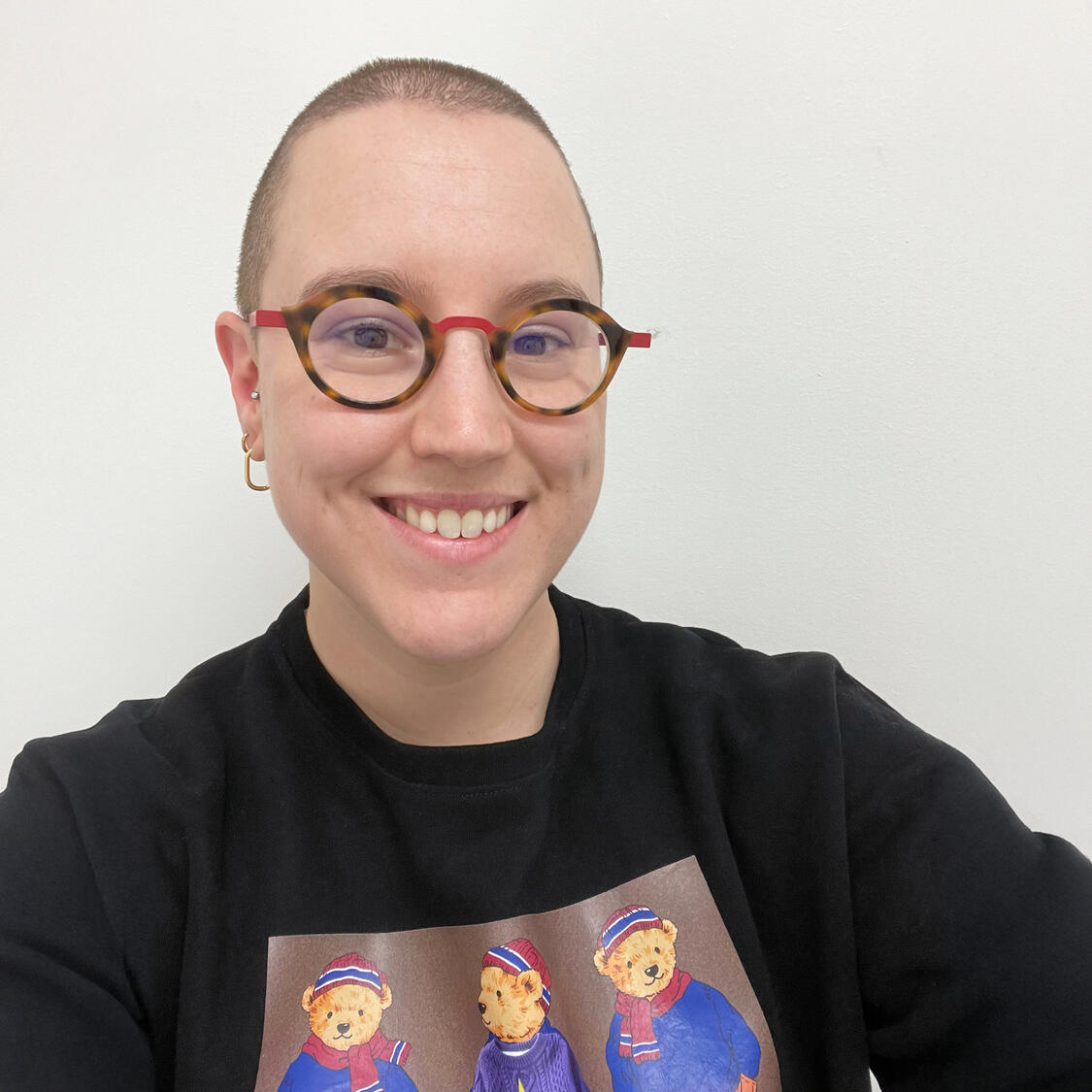
Hi!
I'm Perry (they/them), an entomologist and evolutionary biologist. I use genetics to shed light on the biodiversity and evolution of Earth's largest group of animals: insects.I'm interested in species that have evolved in isolation for extended periods of time, like cave fauna. My aim is to extract insights for long-term conservation outcomes, including naming new species.Outside of my day-to-day work, I'm passionate about elevating the visibility of LGBTQ+ and neurodivergent people working in STEMM.

My research

Science communication

Education
My research focuses on the hidden, underground biodiversity in Australia's caves, burrows, and aquifers.Understanding how these animals have evolved gives us the best chance of conserving them—and their unique habitats—long into the future.Read more
I'm passionate about invertebrate advocacy and education.I've contributed to scientific outreach through radio and podcast interviews, short films, art festivals, and more.Read more
Ph.D. (2021), The University of SydneyHB.Sc. (2016), The University of AdelaideB.Sc. (2015), The University of Adelaide
Featured research

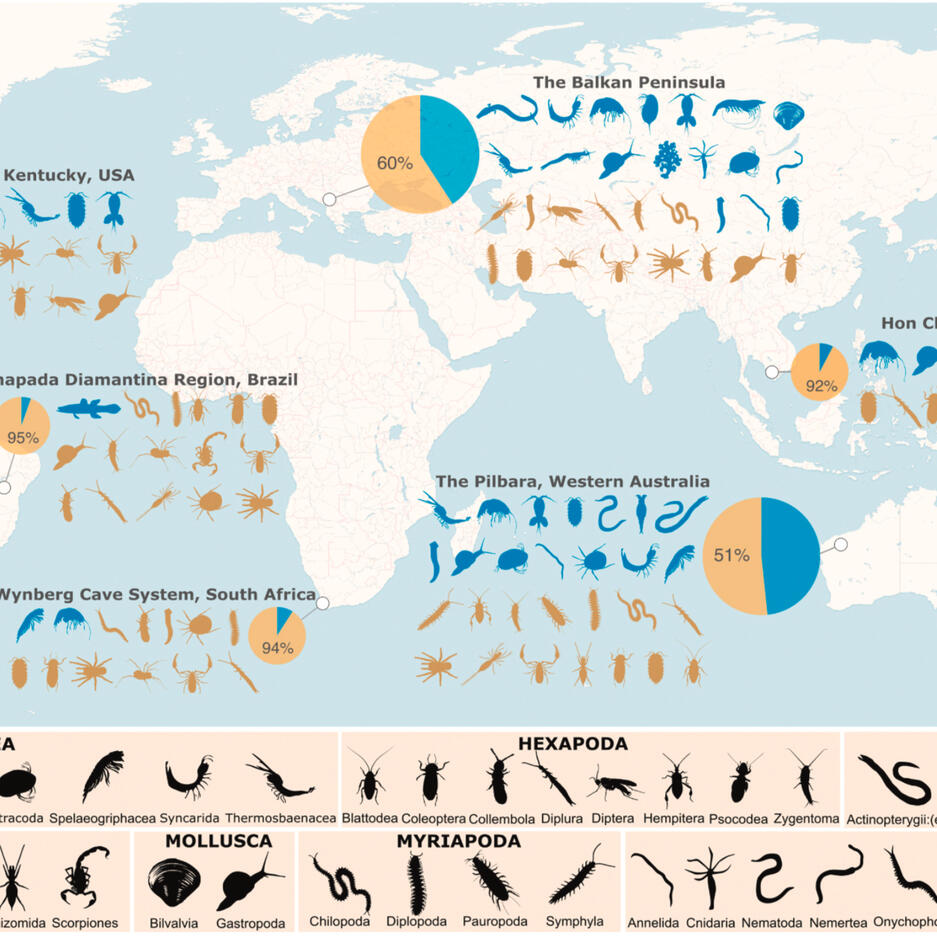
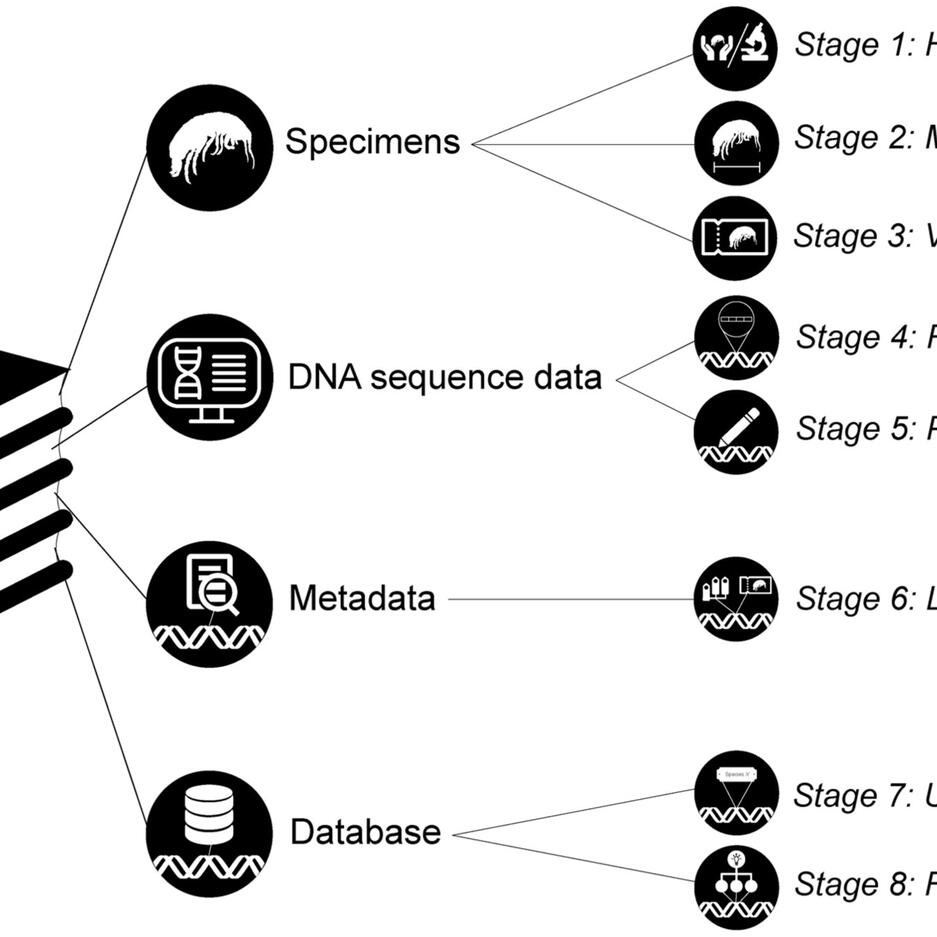
Towards a global barcode reference library for subterranean fauna

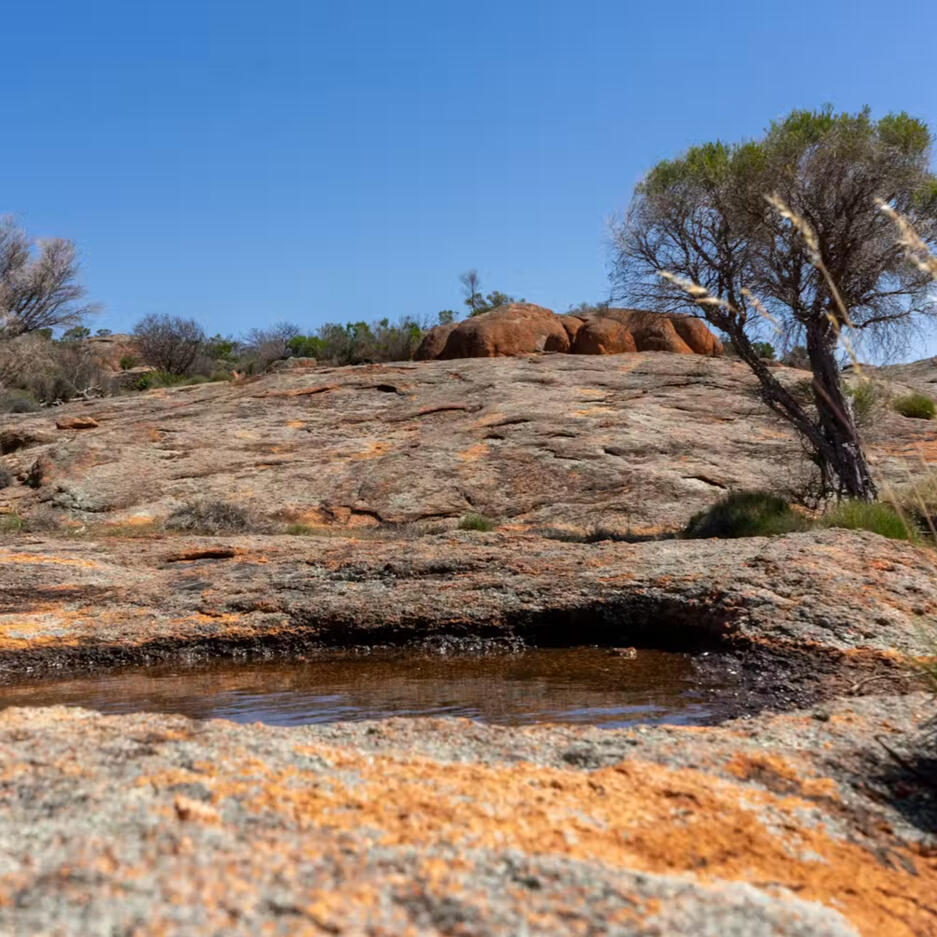
Meet the weird, wonderful creatures that live in Australia’s desert water holes. They might not be there much longer

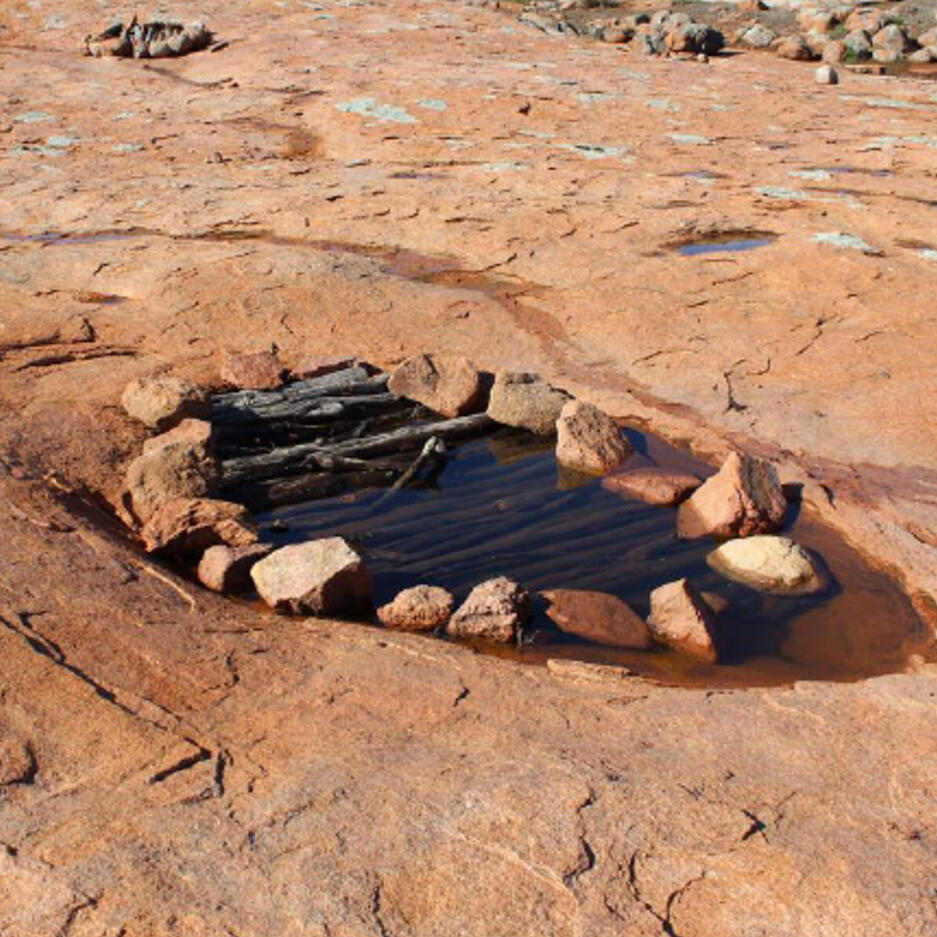
Environmental DNA reveals temporal and spatial variability of invertebrate communities in arid-lands ephemeral water bodies

What are the best practices for curating eDNA custom barcode reference libraries? A case study using Australian subterranean fauna

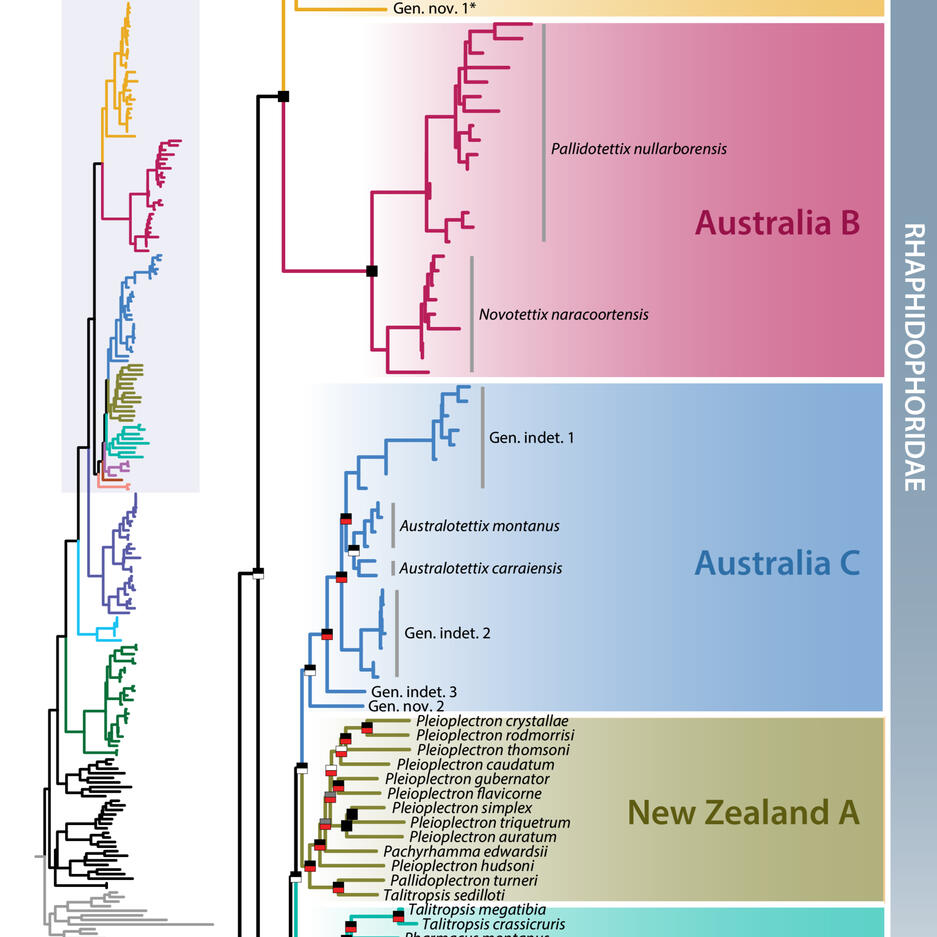
Molecular phylogenetics illuminates the evolutionary history and hidden diversity of Australian cave crickets (Orthoptera: Rhaphidophoridae)
For older publications, visit my Google Scholar profile.
This page is under construction.
I like talking about insects.




2026
Interviewed by Helen Shield for Tasmania Evenings, ABC Radio Hobart
Ancient caves, new science: Meet the Jenolan cave cricket, Jenolan Caves
Ever seen a cave cricket? Australia now has three new species of these spindly, spider‑like creatures, The Conversation
Profiled in International Day Against Homophobia, Biphobia, Interphobia and Transphobia (IDAHOBIT) feature, Adelaide University
2025
2024
Creature found in dark reaches of popular Australia tourist cave. It’s a new species, Miami Herald
Dr Aola Richards: The wētā woman, The Post (New Zealand)
Most people will never see a cave cricket, so why should we care about them?, Taxonomy Australia
2023
Nature's vibrators, What the Duck?!, ABC Radio National
More black native crickets in Ballarat may be because of rainy La Niña summer. The Courier
Lost ark of animals awaits discovery in Australia's arid zone. Cosmos Weekly
Introducing the invertebrates factsheet, Biodiversity Council of Australia
Profiled in Wear It Purple Day poster series by Questacon
2022
The Latest Set of Emojis Matter. Here's Why. Wall Street Journal
Queers in Science is helping tackle discrimination in STEM, QNews
Celebrating Pride in STEM, Dope Labs Podcast
Unravelling the enigma of cave crickets, Environment Institute Blog
Australian native animals as pets. Yes/No?, What the Duck?!, ABC Radio National
Why women scientists are rallying around six-year-old bug and frog lover Lyra, ABC Science
Lectures and public talks
2026
Invited speaker, A trailblazing entomologist and her “creepy” cave cricket legacy, inaugural Aola Richards Lecture, University of Sydney
2025
Invited speaker, Hidden in deep green: tactical (and tricky!) taxonomy of cave crickets from Australia's wet forests, 5th Combined Australian & New Zealand Entomological Societies Conference
Guest lecture, Out of sight, out of mind?: Lessons in evolution and conservation from Aussie underground insects, University of Queensland
2023
Invited speaker, Name it, save it: Cave crickets and the race to describe Australia’s underground biodiversity, Australian Speleological Federation 32nd Scientific Conference
2022
Invited speaker, What's in a name? The science of cave insect taxonomy, Cave Exploration Group of South Australia
Plenary speaker, Evolved in the dark: insects of the subterranean world, Australian Speleological Federation 31st Scientific Conference
2021 and earlier
Invited speaker, Queers in STEMM Showcase run by Queers in Science
Presenter, Night Lab: Metamorphosis, South Australian Museum
Organising member and invited speaker, An Evening with 500 Queer Scientists at the Royal Botanic Garden Sydney, 2019–2020
Service to organisations

Current
Vice-President, Society of Australian Systematic Biologists, 2025–
Subject Editor, Austral Entomology, 2025–
Member, Fay Gale Centre for Research on Gender, 2024–
Member, Cave Invertebrate Specialist Group, IUCN Species Survival Commission, 2024–
Scientific and Communications Advisory Committees, Invertebrates Australia, 2023–
National Steering Committee, Taxonomy Australia, 2023–
Past
Judge, Science at the Fringe Award, Adelaide Fringe Festival, 2021–2024
Secretary, Society of Australian Systematic Biologists, 2024
Associate Editor, Insect Conservation and Diversity, 2023–2024
Inform Program Leader, Invertebrates Australia, 2022–2023
State co-chair and founding member, Queers in Science South Australia, 2020–2022
Organising Committee member, Australian Entomological Society 52nd AGM and Scientific Conference, 2021
Social media officer, Biological Sciences Early and Mid-Career Researcher Association, The University of Adelaide, 2020–2021
Board member and Social Media Director, Australian Entomological Society, 2019–2022
Conservation and policy contributions
Expert witness statement on identification of insect specimens (2026). Submitted as expert evidence for the Australian Government Department of Climate Change, Energy, the Environment and Water.
Signatory, Open Letter: Intergenerational Equity demands greater investment in the protection and care of nature (2026). Biodiversity Council.
Co-author, University of Adelaide Environment Institute (2024). Submission to A New Biodiversity Act for South Australia, South Australian Government Department for Environment and Water. Submission available here.
Co-author, Invertebrates Australia (2022). Submission to Inquiry into Australia's Extinction Crisis, Parliament of Australia. Submission available here.
Umbers, K, Beasley-Hall, P G (2021). IUCN Red List assessment for the Kosciuszko Metallic Cockroach (Polyzosteria viridissima). The IUCN Red List of Threatened Species 2021: e.T190512630A196182036.
Current
Australian Biological Resources Study Postdoctoral Fellow, Adelaide University, December 2022–
Previous
Honorary Associate, The University of Sydney, 2021–2023
Project Officer in Evolutionary Genomics, South Australian Museum, 2022
Postdoctoral Researcher, The University of Adelaide, August 2020–2022
Grants
Beasley-Hall, P. G, Bush, C Marsh, J (2026). Underground desert islands: resolving a species complex in the Nullarbor cave cricket Pallidotettix nullarborensis using specimens from the Yalata Bush Blitz. Bush Blitz Tactical Taxonomy grant. $22,000. Principal Investigator.
Beasley-Hall, P. G, Eberhard, S M, Trewick, S (2025). Tactical taxonomy of cave crickets (Rhaphidophoridae) hidden in wet forest. Australian Biological Resources Study National Taxonomy Research Grant Program. $330,000. Principal Investigator.
Marsh, J R, Wood, J, Beasley-Hall, P G, Cooper, S J B (2025). A fragile window into the past: informing conservation of cave biodiversity with ancient invertebrate DNA. Hermon Slade Foundation. $86,617. Joint Investigator.
Marsh, J R, Beasley-Hall, P G, Cooper, S J B, Harvey, M, Rix, M, Wood, J (2024). Conserving caves: Developing tools to safeguard subterranean biodiversity. Australian Research Council Early Career Industry Fellowship. $482,830. Joint Investigator.
Shaw, M, Beasley-Hall, P G (2023). Solving the evolutionary puzzle of climate outliers: description of new cave and mallee mites (Dermanyssiae: Ologamasidae) as part of the Yalata Bush Blitz. Australian Government Department of Climate Change, Energy, the Environment and Water. $15,000. Joint Investigator.
Beasley-Hall, P G, Austin, A D, Cooper, S J B, Reed, E, Trewick, S (2022). Systematics and taxonomy of Australian cave crickets (Rhaphidophoridae: Macropathinae): an enigmatic and at-risk fauna. Australian Biological Resources Study National Taxonomy Research Grant Program. $330,000. Principal Investigator.
Beasley-Hall, P. G (2022). Systematics and taxonomy of Australian cave crickets (Rhaphidophoridae: Macropathinae): an enigmatic and at-risk fauna. Australian Speleological Federation Karst Conservation Fund. $15,000. Principal Investigator.
Papadelos, P, Beasley-Hall, P. G, Hewitt, A, Umbers, K, Guzik, M T, Beasley, C. (2022). Science communication behind the scenes?: Interrogating the role of women in professional life sciences societies. The University of Adelaide ABLE Interdisciplinary Research Grant. $10,000. Co-chief Investigator.
Awards
Creating Positive Change Fellowship, Conservation Council of South Australia, 2024
Emerging Leaders Program scholarship ($5,950), Environment Institute, 2021
Best student presentation, Australian Entomological Society, 2019
Best presentation, SOLES Postgraduate Showcase, The University of Sydney, 2019
Postgraduate Research Student Support Scheme ($3,000), The University of Sydney, 2019
Graduate Student Research Award ($2,700), Society of Systematic Biologists, 2018
Phil Carne Prize finalist, Australian Entomological Society, 2018
Postgraduate Research Student Support Scheme ($1,300), The University of Sydney, 2018
Early PhD Student Travel Grant, Australian Entomological Society, 2017
Best presentation finalist, SOLES Postgraduate Showcase, The University of Sydney, 2017
Australian Government Research Training Program Stipend Scholarship ($75,000), 2017
Faculty of Sciences Outstanding Academic Achievement Award, The University of Adelaide, 2015
Adelaide Summer Research Scholarship at the Australian Centre for Ancient DNA, The University of Adelaide, 2014
Faculty of Sciences Outstanding Academic Achievement Award, The University of Adelaide, 2014
Teaching
Tutor, Principles & Practice of Research (Advanced) II, The University of Adelaide, 2024
Lecturer and organising committee member, 8th National Postgraduate Training Workshop in Systematics, The University of Adelaide, 2022
Teaching assistant, The University of Sydney, 2017-2020
Instructor, Taming the BEAST Down Under, 2019
Instructor, Sydney Phylogenetics Workshop, 2017-2019
Teaching assistant, The University of Adelaide, 2016
Professional development & service
People & Culture Committee, School of Biological Sciences, The University of Adelaide, 2024–2025
Connect & Share on Neurodiversity, The University of Adelaide, 2024
Diversity, Equity and Inclusion co-design workshop, Faculty of Sciences, Engineering and Technology, The University of Adelaide, 2023
Diversity and Inclusion Forum, Faculty of Sciences, Engineering and Technology, The University of Adelaide, 2022
Developing Positive Partnerships Program, The University of Adelaide, 2021
Emerging Leaders Program, Environment Institute, 2021